
Navigation
- Negosyo
- Teknolohiya
Latest in Teknolohiya
Las FDI atacaron el sitio más central para la producción de sistemas de sonar y detección submarina en Irán. Las FDI continúan profundizando el daño a todos los sistemas del régimen terrorista iraní.
1 oras nakaraan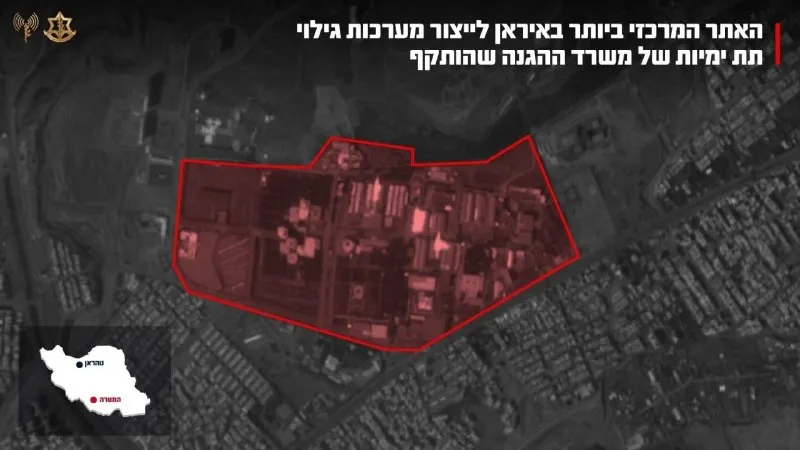
Estudio israelí identifica sitios con hielo en la Luna para futuras misiones
8 mga oras nakaraan
Nakita namin na may bagong batalyon na naitatag ngayong buwan, kaya’t nagsagawa kami ng combat reconnaissance mission.
1 na araw nakaraan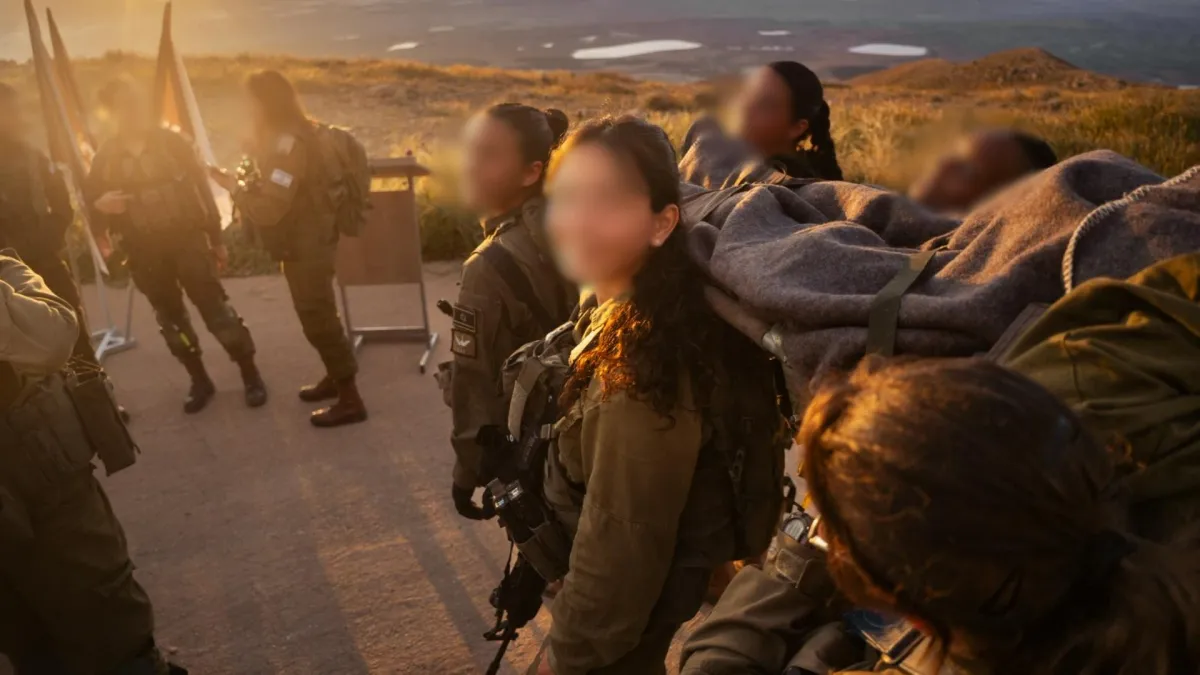
- Pulitika
Latest in Pulitika
Pinatay ng IDF ang chairman ng intelligence organization ng Revolutionary Guards sa Tehran. Ang Air Force, sa gabay ng tumpak na intelligence mula sa Aman,
24 mga oras nakaraan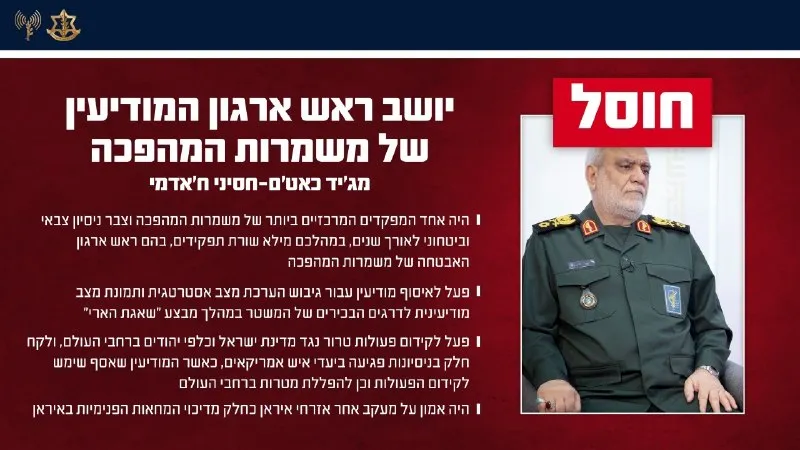
Panibagong dagok sa pagpapalakas ng militar ng Revolutionary Guards: Pinatay ng IDF ang pinuno ng komersyo sa oil headquarters ng Revolutionary Guards sa lugar ng Tehran, sa tulong ng Air Force na gumalaw batay sa intelligence guidance.
Mga 2 na araw nakaraan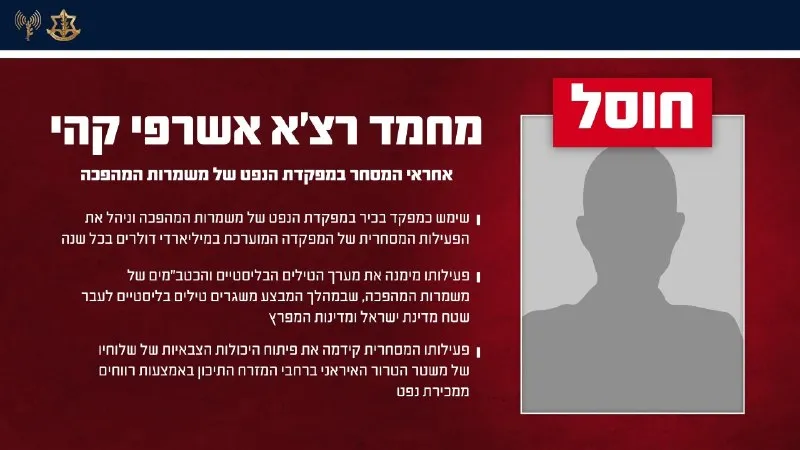
Sa isang tiyak na pag-atake sa Tehran: Pinatay ng IDF ang kumander ng headquarters ng langis ng teroristang rehimen ng Iran. Ang Air Force, sa tiyak na gabay ng intelligence mula sa Aman,
Mga 5 na araw nakaraan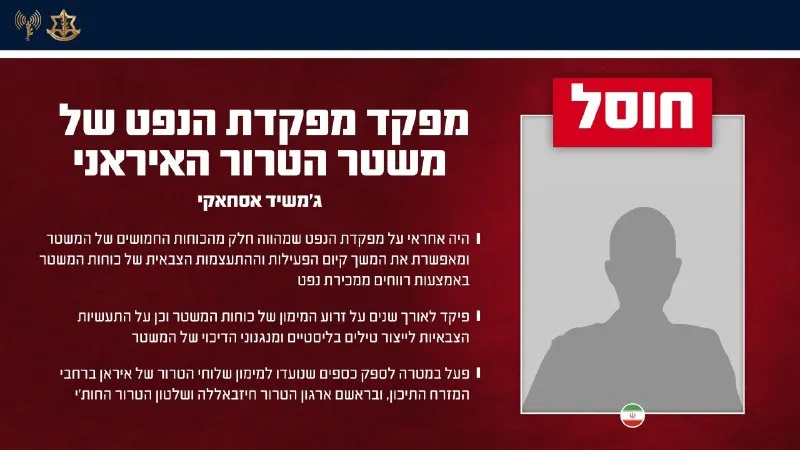
Inatake ng IDF ang sentral na punong-tanggapan na ginagamit ng teroristang rehimen ng Iran upang pondohan ang mga proxy nito sa Gitnang Silangan. Ang Air Force, sa ilalim ng direksyon ng Aman, ay umatake kagabi (Miyerkules).
Mga 5 na araw nakaraan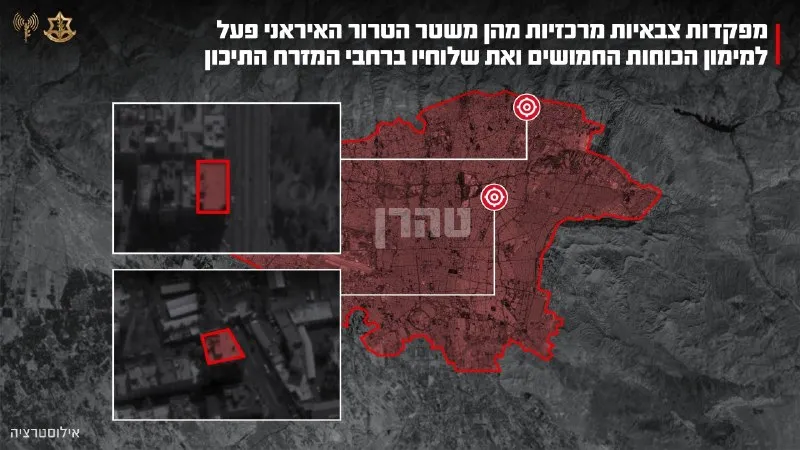
- Security
- Ekonomiya
Latest in Ekonomiya
Matapos ang pagpatay sa mga matataas na opisyal at pag-atake sa mga paliparan: Inatake ng IDF ang pinakamalaking petrochemical complex ng Iran. Ang Air Force, sa gabay ng intelligence mula sa Aman,
14 mga oras nakaraan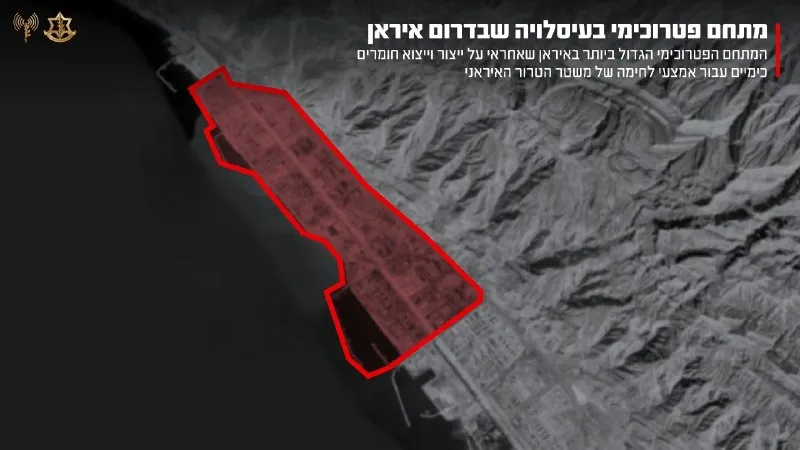
Nagsimula Muli ang Israel sa Leviathan Gas Field Matapos ang Limang Linggong Paghinto
20 mga oras nakaraan
- Kalusugan
Latest in Kalusugan
- Mga Serbisyo
Travel & Transportation
Technology & Utilities
Religious & Cultural
Government & Public Services
Information & Directories




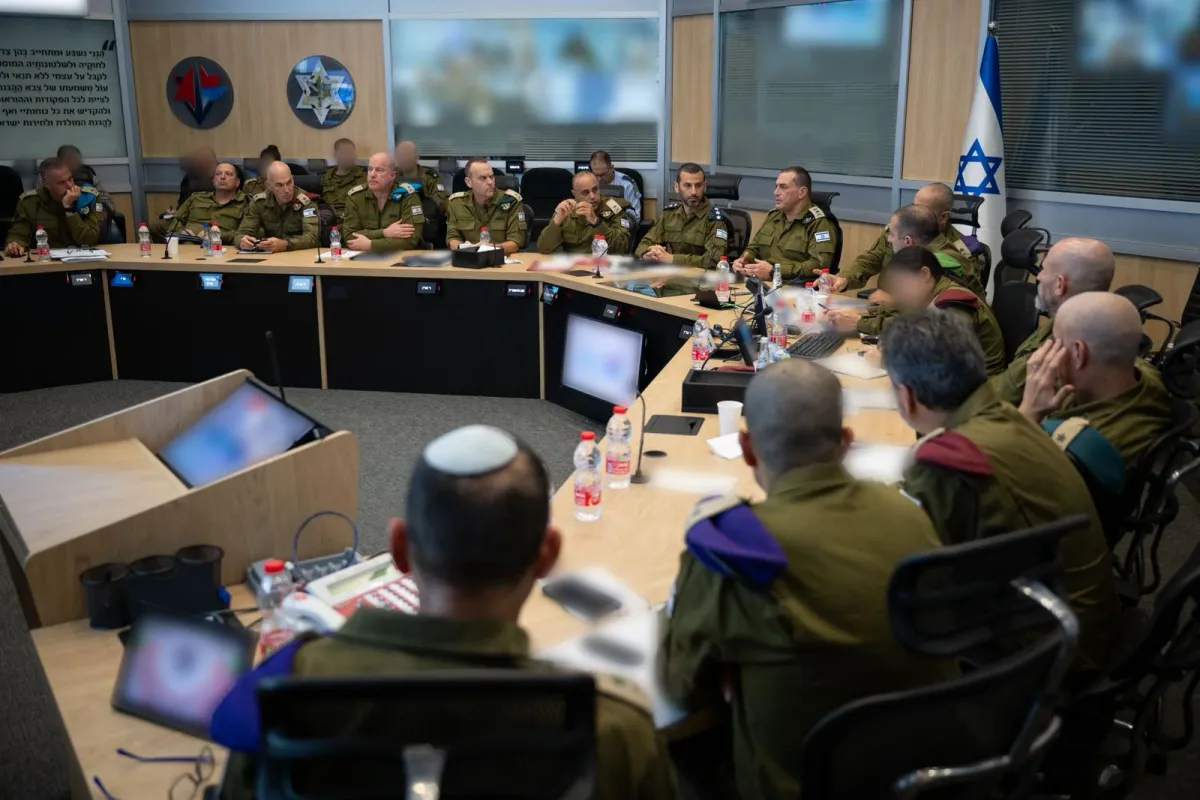
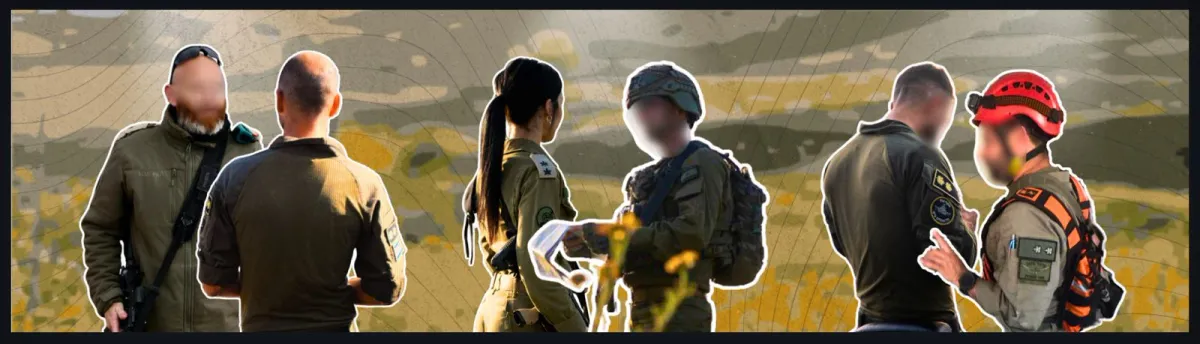
Photo by IDF Spokesperson on 17 August, 2023
By Yaakov Lappin • 17 August, 2023
Jerusalem, 17 August, 2023 (TPS-IL) — Israel’s position as a cyber superpower places it in an exclusive club of world powers, despite having a population a little larger than New York City, according to former Israeli defense official Chuck Freilich.
Freilich, a senior research fellow at the MirYam Institute and the Institute for National Security Studies and a former deputy national security adviser in Israel, recently published a book on the subject, titled, “Israel and Cyber Threat: How the Startup Nation Became a Global Cyber Power.”
A former senior fellow at Harvard’s Kennedy School who teaches at Columbia and at Tel Aviv University, Freilich said Israel’s cyber capabilities are prominent at both the civilian and military levels. The number of cyber start-ups in Israel equals the total number of cyber start-ups in the world, excluding the United States, he noted.
“This is a stunning statistic. It’s the result of a really unique contribution to the Israeli hi-tech scene in general, and the cyber realm especially, by the defense establishment and intelligence agencies,” said Freilich.
Graduates of the Israel Defense Forces cyber units, mainly Unit 8200 and Unit 81, as well as intelligence agencies, enter the private sector and become a primary source of commercial start-ups, he explained.
This in turn acts as a driving force behind cyber innovation. The fact that the Israeli defense establishment funds incubators and technological innovation programs also contributes to this prosperity of the local cyber scene, according to Freilich.
The military units “find and train Israel’s cyber personnel, and most importantly, the really top-level personnel. In the cyber world, a few geniuses make all the difference,” he added.
Between 2011 and 2020, some 100 veterans of Unit 81, who served in the years between 2003 and 2010, went on to found 50 start-ups, with an accumulated evaluation of over $10 billion, Freilich noted. “That’s 100 veterans alone,” he said.
“Another mind blowing statistic is that the NSA [the U.S. National Security Agency] has about 40,000 personnel, while Unit 8200 [its Israeli equivalent] reportedly has a quarter of that, 10,000 people. Most of what Unit 8200 does is cyber based. Here you have little Israel on the scale of a global superpower. Each year, between a few hundred and a thousand cyber personnel are discharged in Israel. China’s 2022 graduating cyber school count was 1,300. So we have a cyber force on the scale of global superpowers,” he stated.
Pointing to compulsory military service as the core secret sauce behind this success, Freilich argues that this enables the IDF to track down the best and the brightest, with the military scouting high school databases and beginning to locate suitable youths by the 10th grade.
“One percent of the best high school graduates go to Atuda [a program that enables them to study and delay military service] and Talpiyot [a program that sends students to complete BAs in mathematics and natural sciences as part of their service]. Talpiyot looks at the top 2%, and then begins an intensive testing process. Only 10% of that 2% pass and are then further winnowed down through a grueling aptitude testing process,” said Freilich, describing the rigorous screening process.
With regard to Unit 81, while 10,000 candidates passed initial annual screening, only a few hundred went on to be selected.
“All told, the IDF trains 10,000 people a year in cyber programs. This is a huge training program, not only giving people computer skills, but also reaching the real geniuses,” he said.
Freilich added that a third of graduates of a Unit 8200 high school program that teaches university-level cyber come from peripheral areas.
He also drew attention to Israel’s national style, which he described in his book as “hutzpah gone viral.”
“Israeli society has a never-ending propensity to challenge authority and reject accepted norms, refusing to take no for an answer, and thirsting for new ways of achieving things,” said Freilich.
“Our strategic circumstances means we have a greater willingness to take risks, and we are non-hierarchical and informal,” he added. “That’s the same culture you find in R&D firms around the world. So cyber fits Israel like a glove.”
On Aug. 8, the Mayanei HaYeshua Medical Center in Bnei Brak announced that it had been struck by a cyber-attack, forcing personnel to switch to pen and paper before recovering computer networks.
Despite Israel’s cyber achievements, problems still exist in protecting the civil sector, Freilich admitted.
“There is reason to be concerned about that and critical national infrastructure, like water and communications—the type of sites that the Israel National Cyber Directorate defends the most. They get specially tailored defense packages, but there is still reason for concern,” said Freilich.
Iran, for its part, woke up to the cyber realm after sustaining the devastating 2009 Stuxnet attack, which international media reports attributed to Israel and the United States.
“Be wary of the law of unintended consequences,” said Freilich. “Until 2010, Iran wasn’t doing much in this area. By 2012, it was launching offensive attacks around the world.”

Yaakov Lappin